सीर में
माणिक मोती लाल

seer mein
manik moti lal

where did the pearls go?

a film by Ibad and Malika,
from Sindh to Gujarat

سیرَ میںمانک مُوتي لال

Trailer

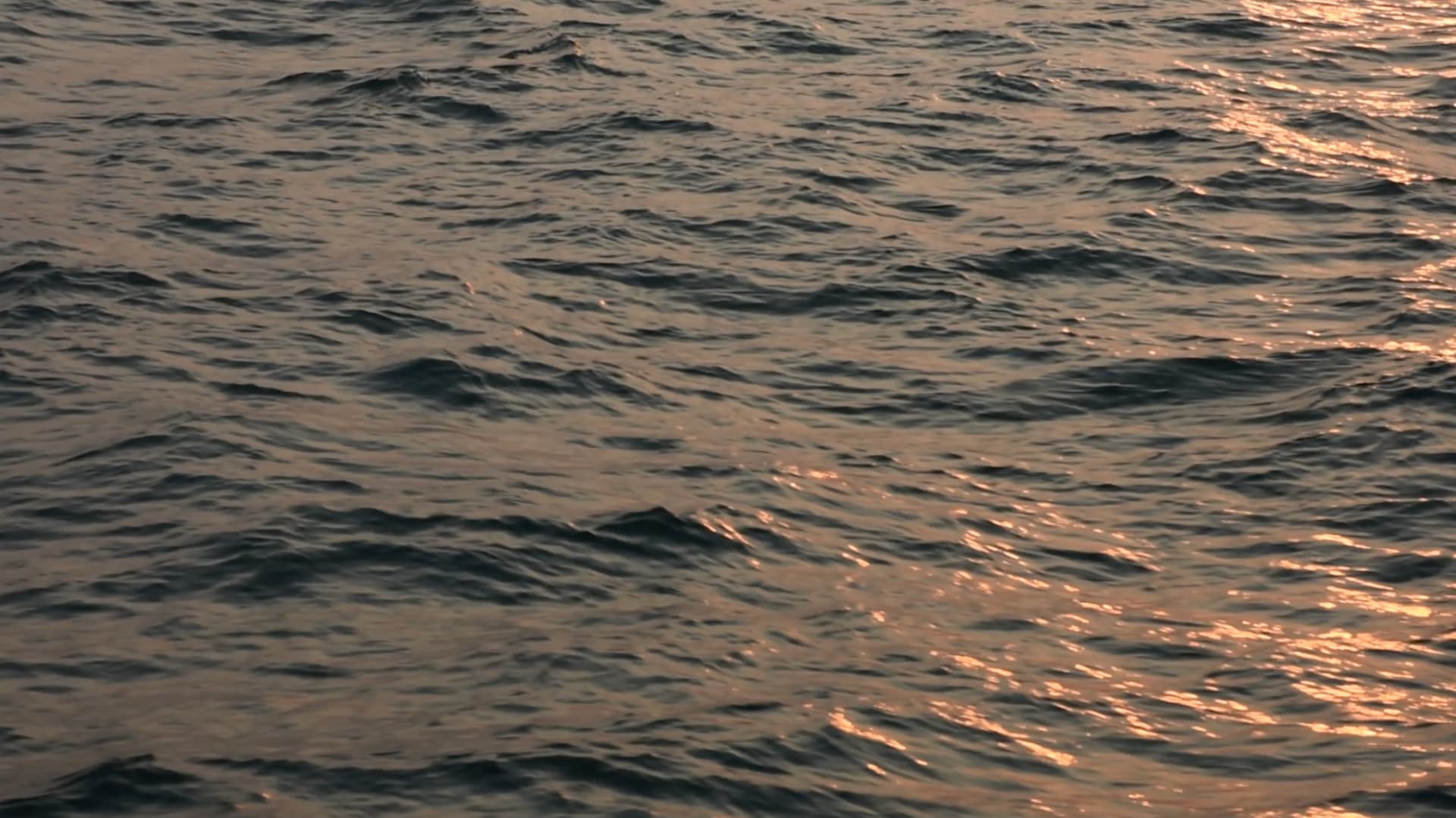
Evening light on the Arabian Sea

seer mein manik moti laal is a cross-border documentary following small-scale fisherfolk families along the coastline shared by Sindh, Pakistan and Gujarat, India, as they navigate season after season living through the absence of their people, those detained on either side of the border
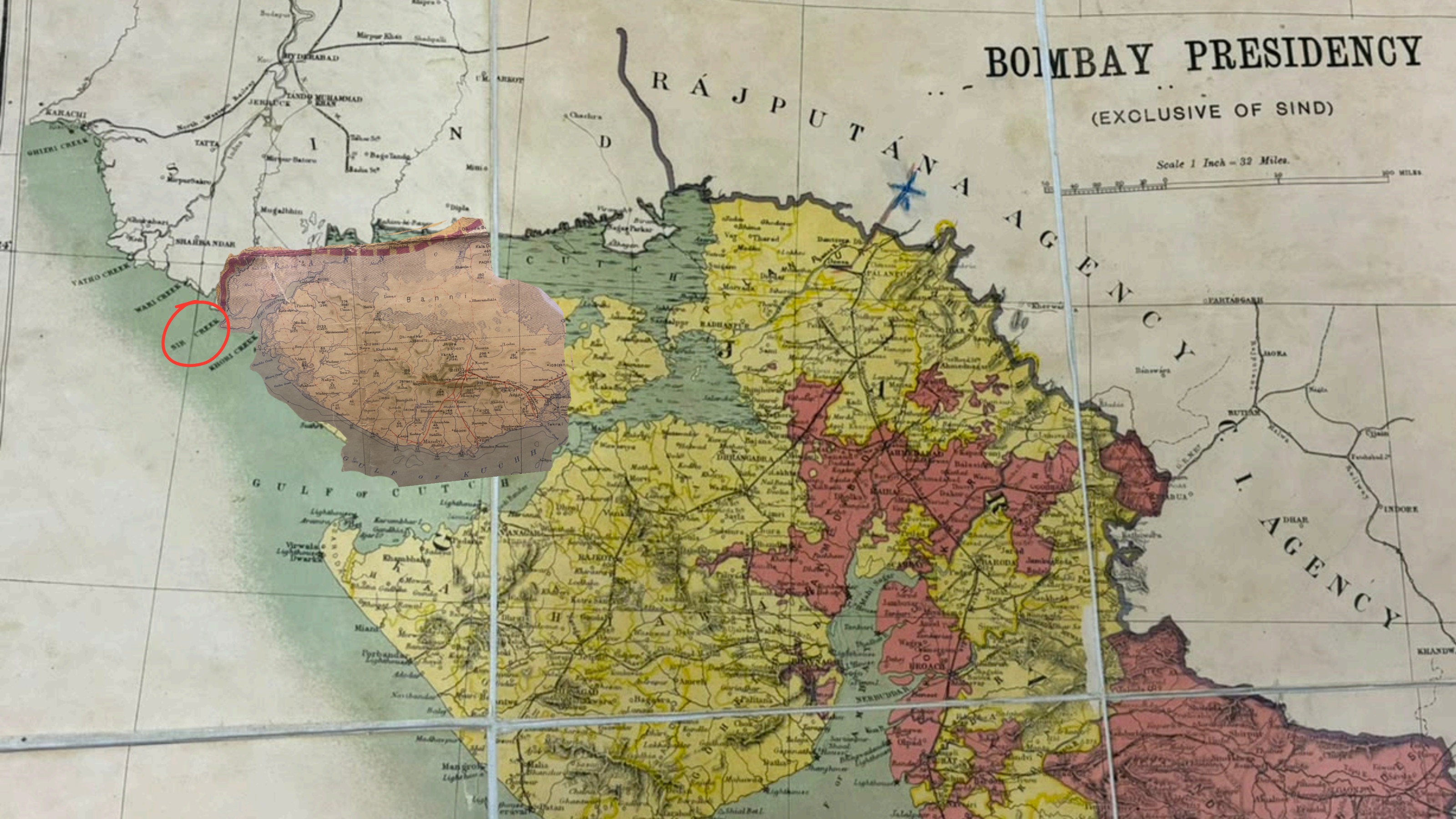
A map of the Bombay Presidency, exclusive of Sind

When the subcontinent was partitioned in 1947, among its many undrawn lines, was the one at Seer Creek

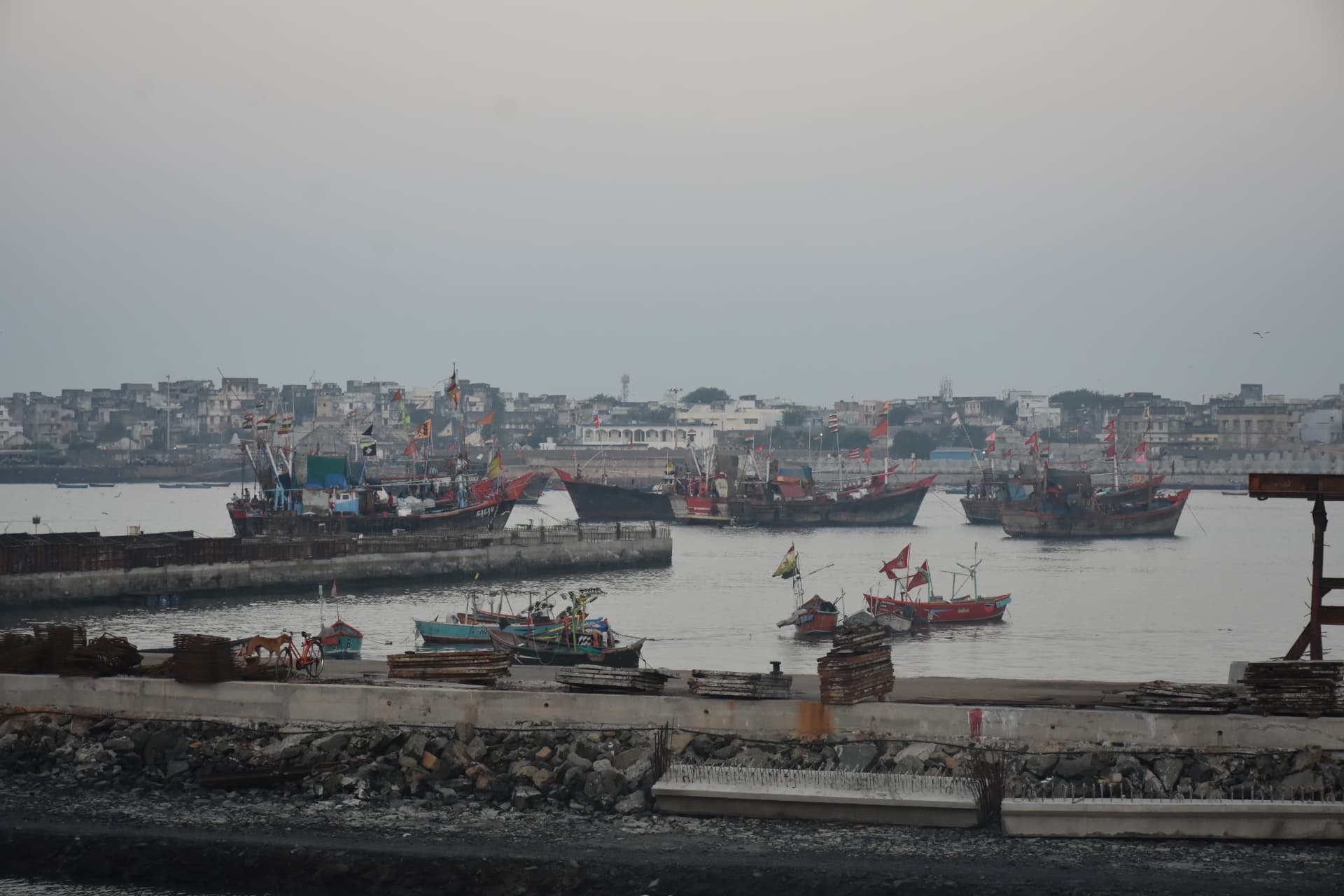
Fishing boats moored along a coastal harbour

For generations, fisherfolk on either side of Seer Creek have sought voyages in the Arabian Sea, living and laboring as an extension of their waters

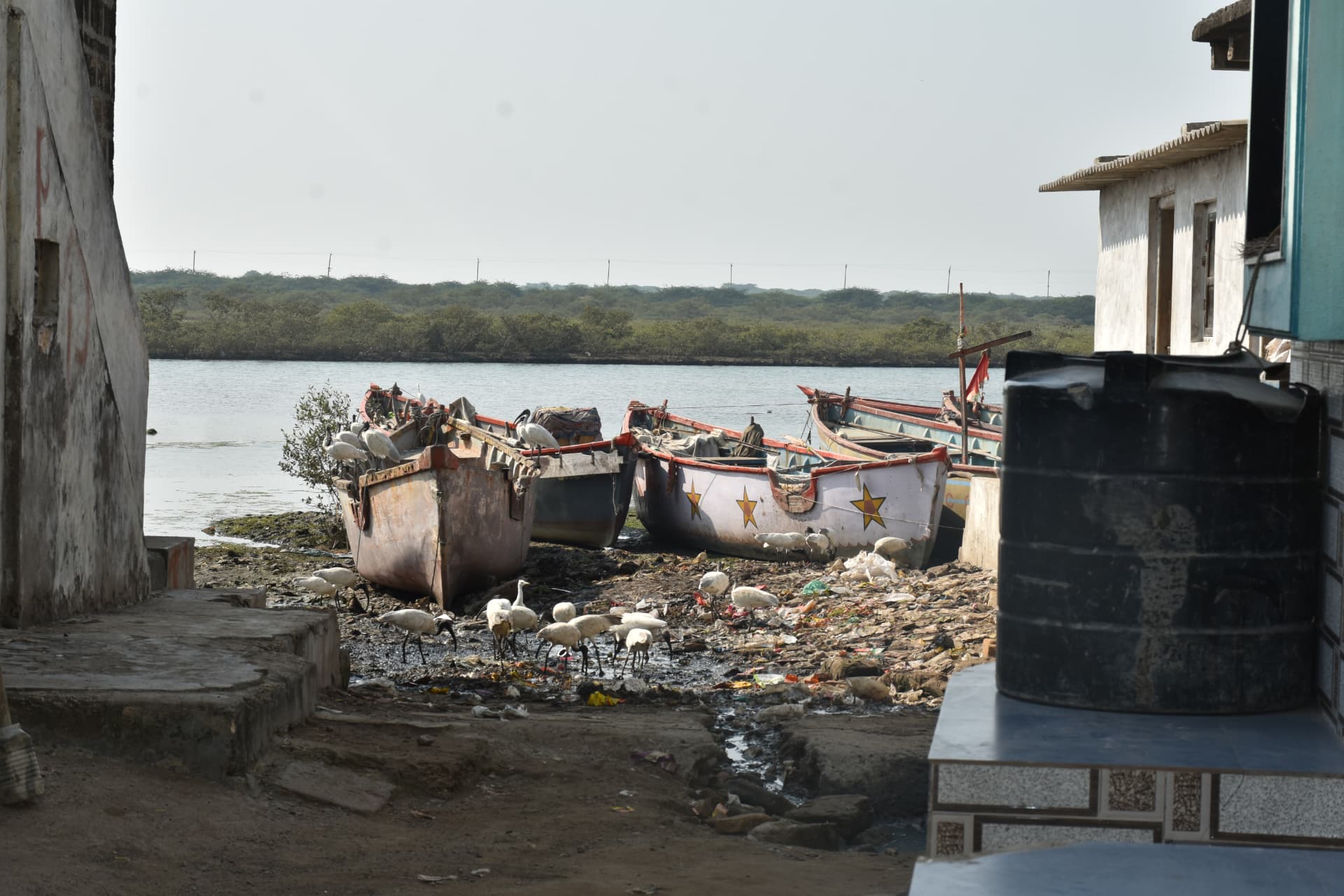
Beached boats and egrets among waste on the shoreline

As fish lose life to unchecked industrial waste and are forced into deeper waters, fishermen are left with no choice but to follow them

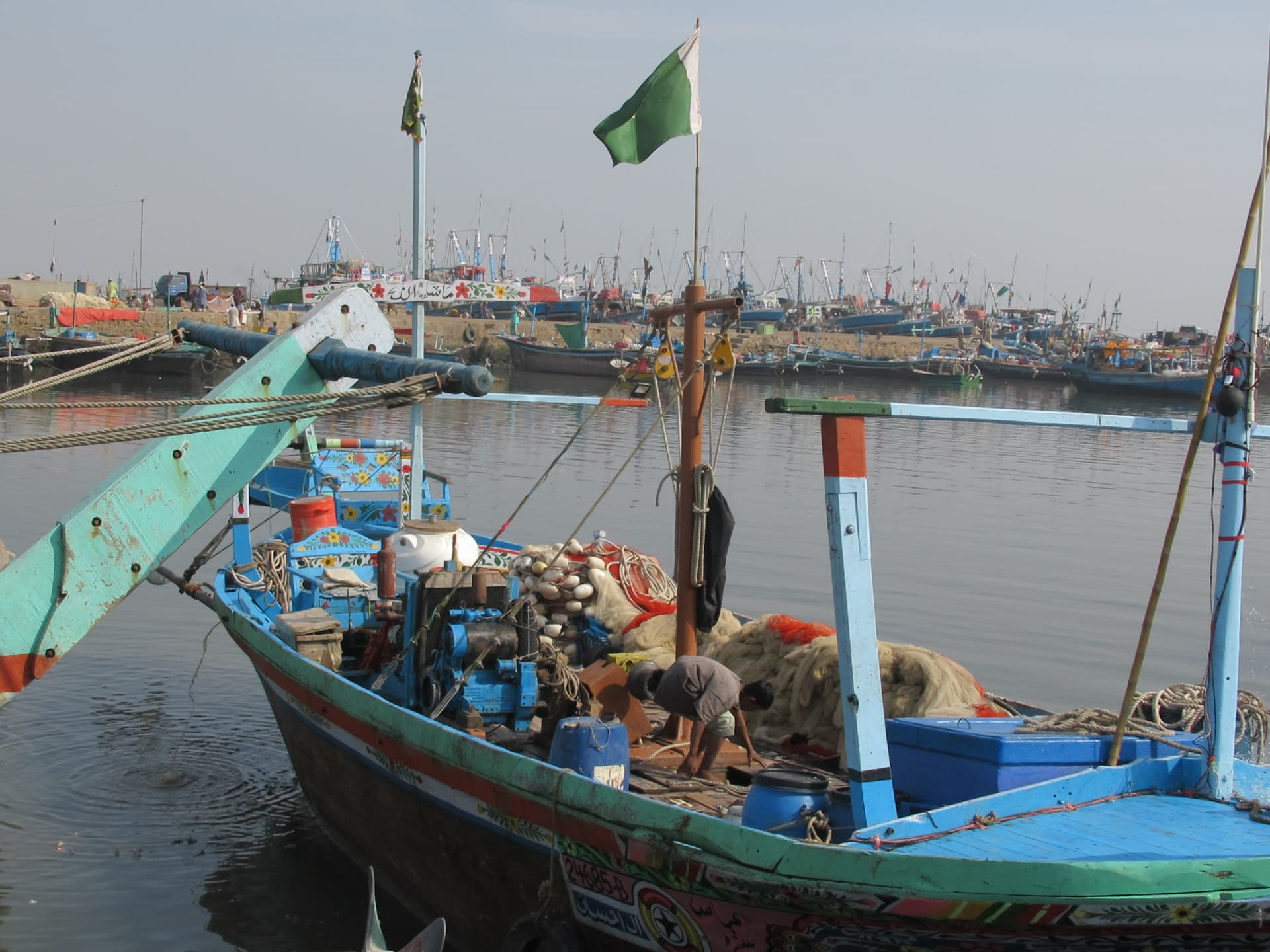
A fisherman working on a moored boat near Seer Creek

To fish near the disputed Seer Creek then becomes an inevitable choice between securing a viable catch, or facing the possibility of arrest

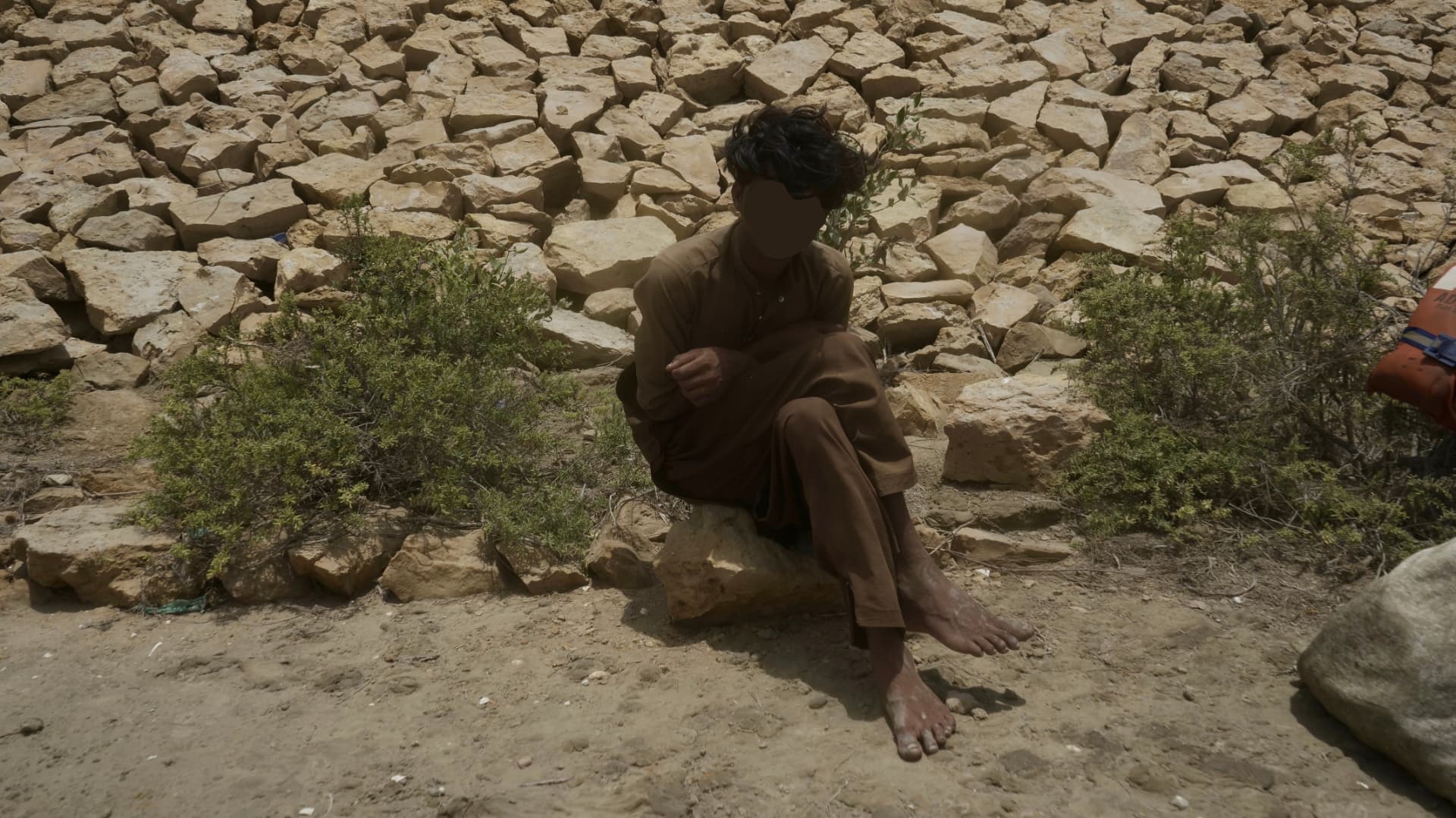
A young fisherman sitting on rocks near the border

Both the Indian and the Pakistani states maintain a punishing military presence near the region, routinely arresting fishermen who find themselves around an undefined border, sometimes on the other side

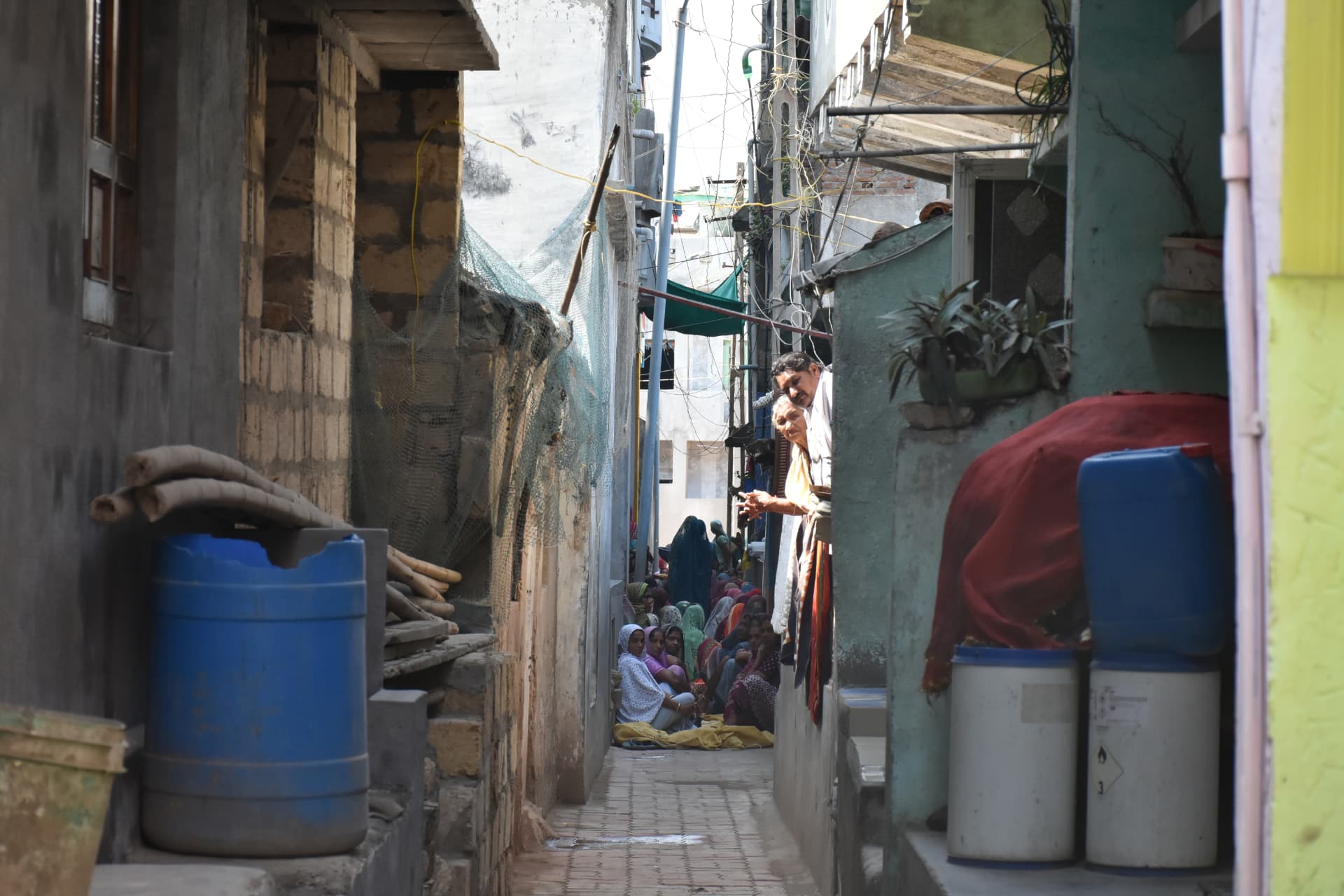
A narrow lane in a fishing settlement with families gathered

Of the families we have met in Gujarat and Sindh, we will document the time we spend with some. Between homes, weddings, fishing voyages, fish processing units, storage godowns, union meetings, jetties, and moments of leisure, we want to document the everyday of peoples who continue to negotiate living between their sea and an invisible maritime border

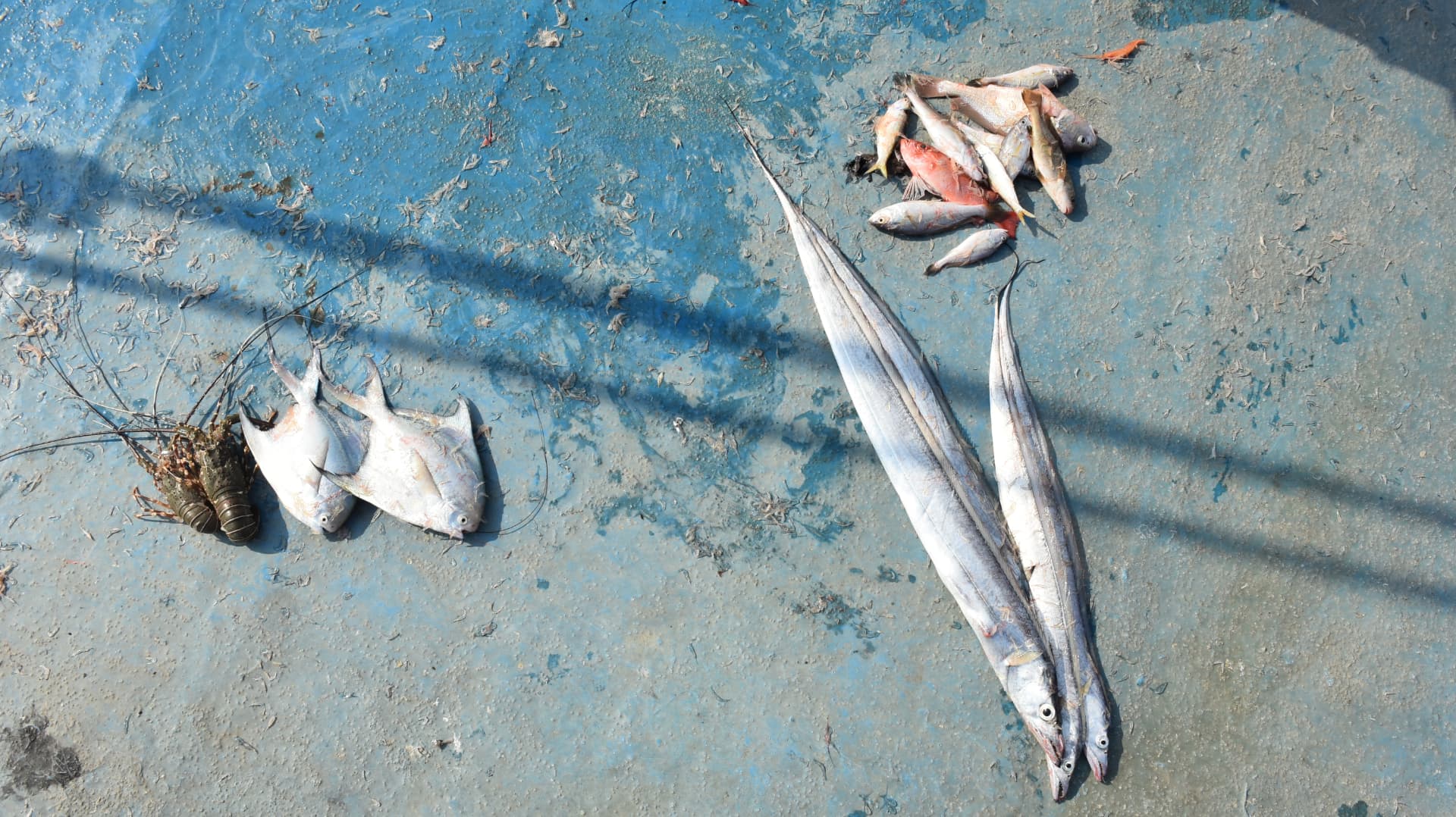
Fish laid out on a blue-washed floor

It is no secret that the media that shapes us rests on a bedrock of hate and apathy

It is also no secret that the people of India and Pakistan share a lot more than our states would like for us to remember we do. In the shades of our soil, in the tembers of our tongues, in the waves of our seas, we are interwoven

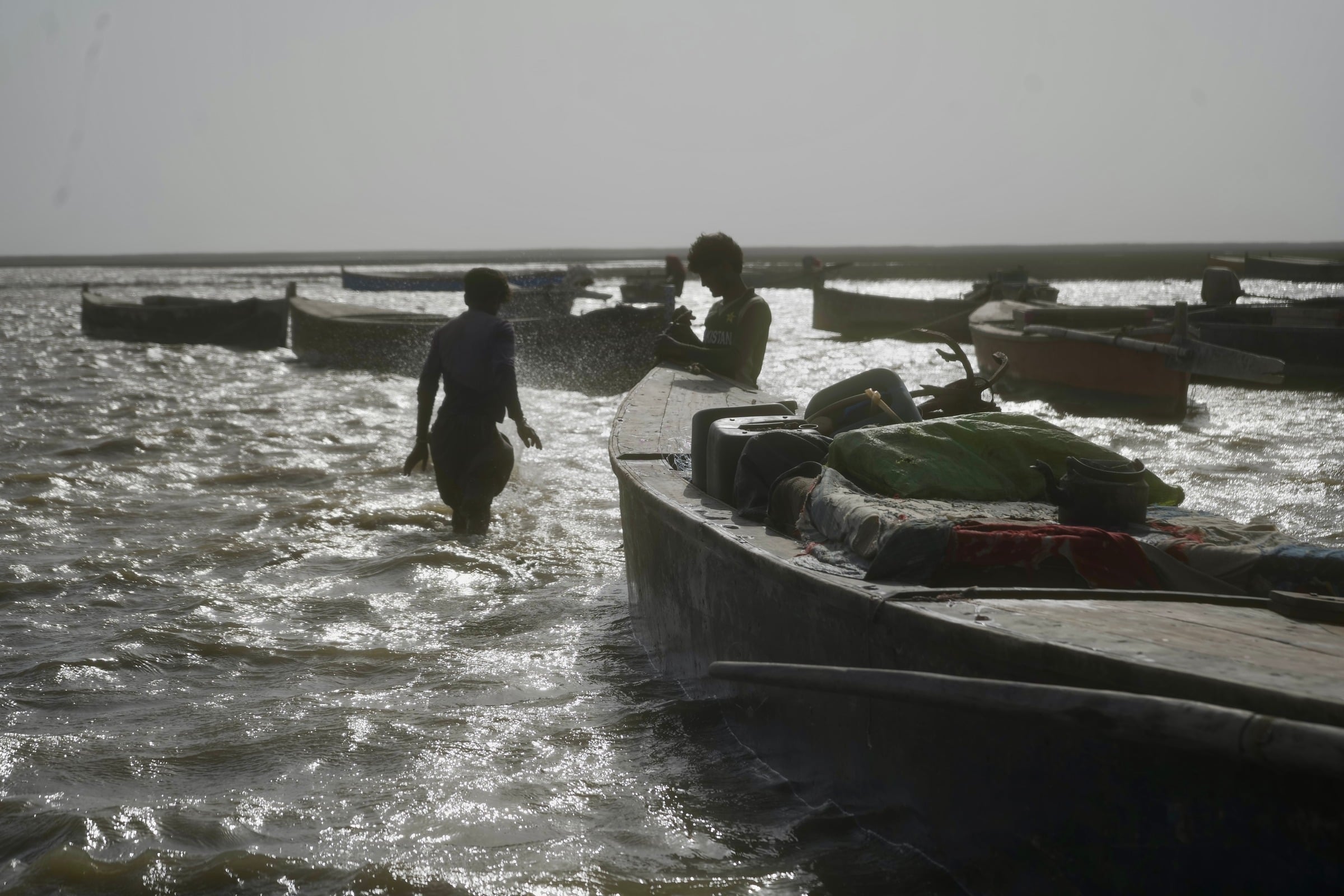
Fishermen pushing a boat out through the surf
The Polis Project
State Violence and CarceralityReportageIn Sir Creek, India and Pakistan's Invisible Border Forces Fisherfolk Into Indefinite Imprisonment
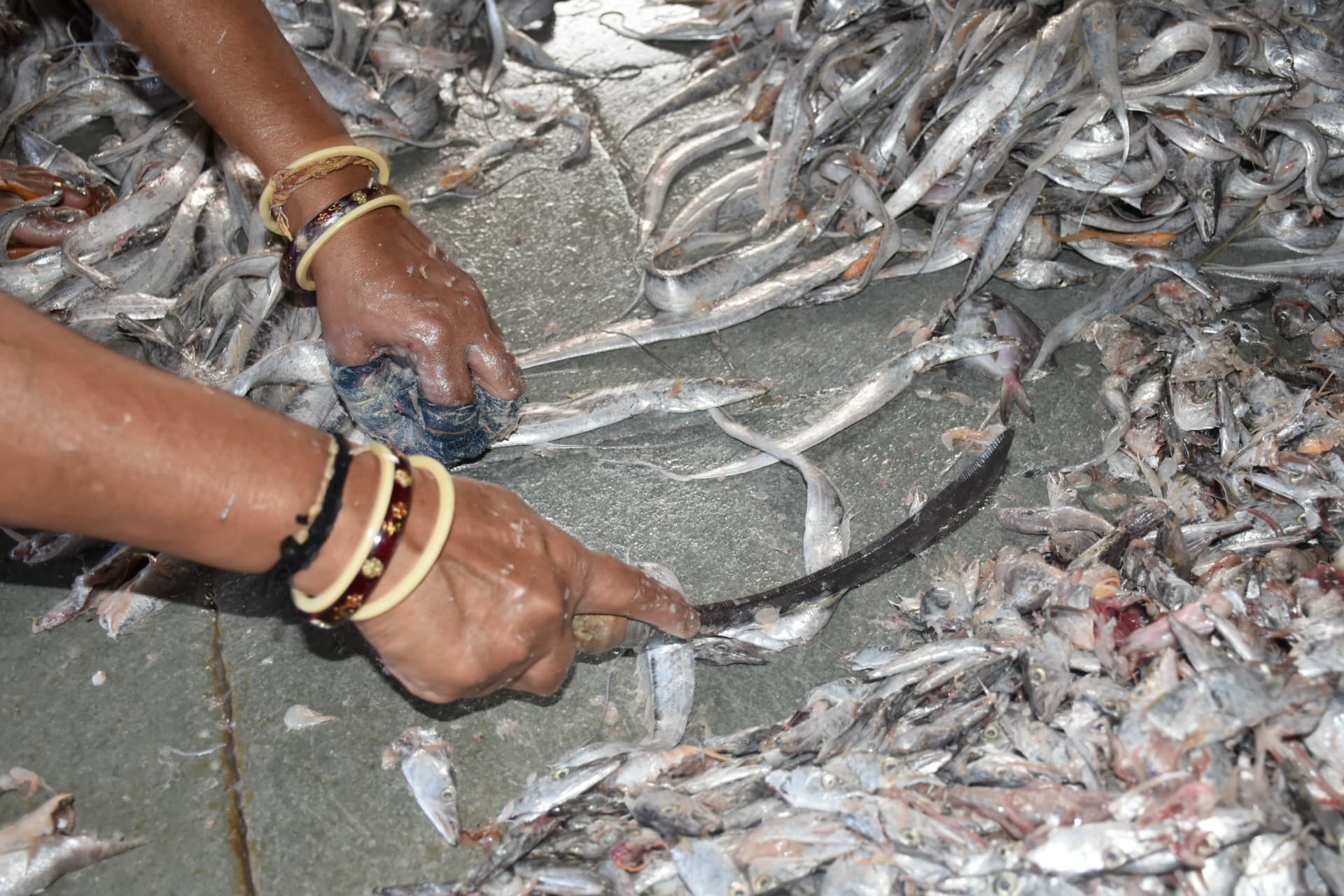
Hands sorting a fresh catch of fish

Fund Us

To make this film, we need more resources

If you are invested, and wish for an Indo-Pak film to come to life, now is the chance to contribute

Our target goal: $8,000

28.0%

If you have contributed, please leave here your email address so we can stay in touch with you, and share a first cut of the film by June 2027

The money raised will go into hiring a crew, traveling, housing, renting equipment, insurance, securing legal permits, translating and transcribing, compensating fishing unions, and post-production

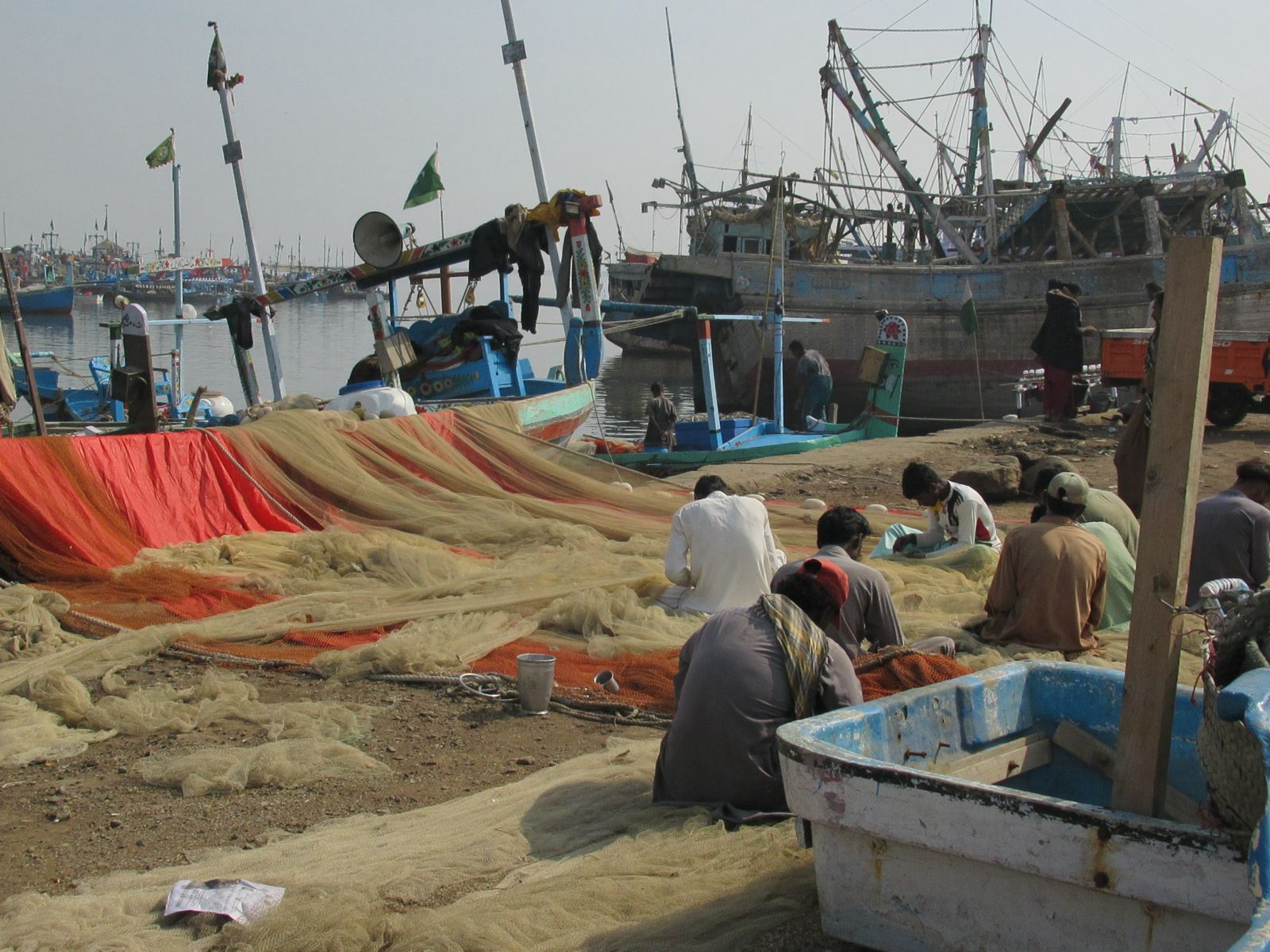
Fisherfolk mending nets beside moored boats at a harbour

For local contributors in India and Pakistan

For local contributors in India and Pakistan, you can also pay using UPI and Easypaisa / Jazzcash / RAAST bank transfer

India

UPI QR code for Malika Singh

Malika Singh

Pakistan

Nayapay QR code for Ibad Hasan

Ibad Hasan Nayapay

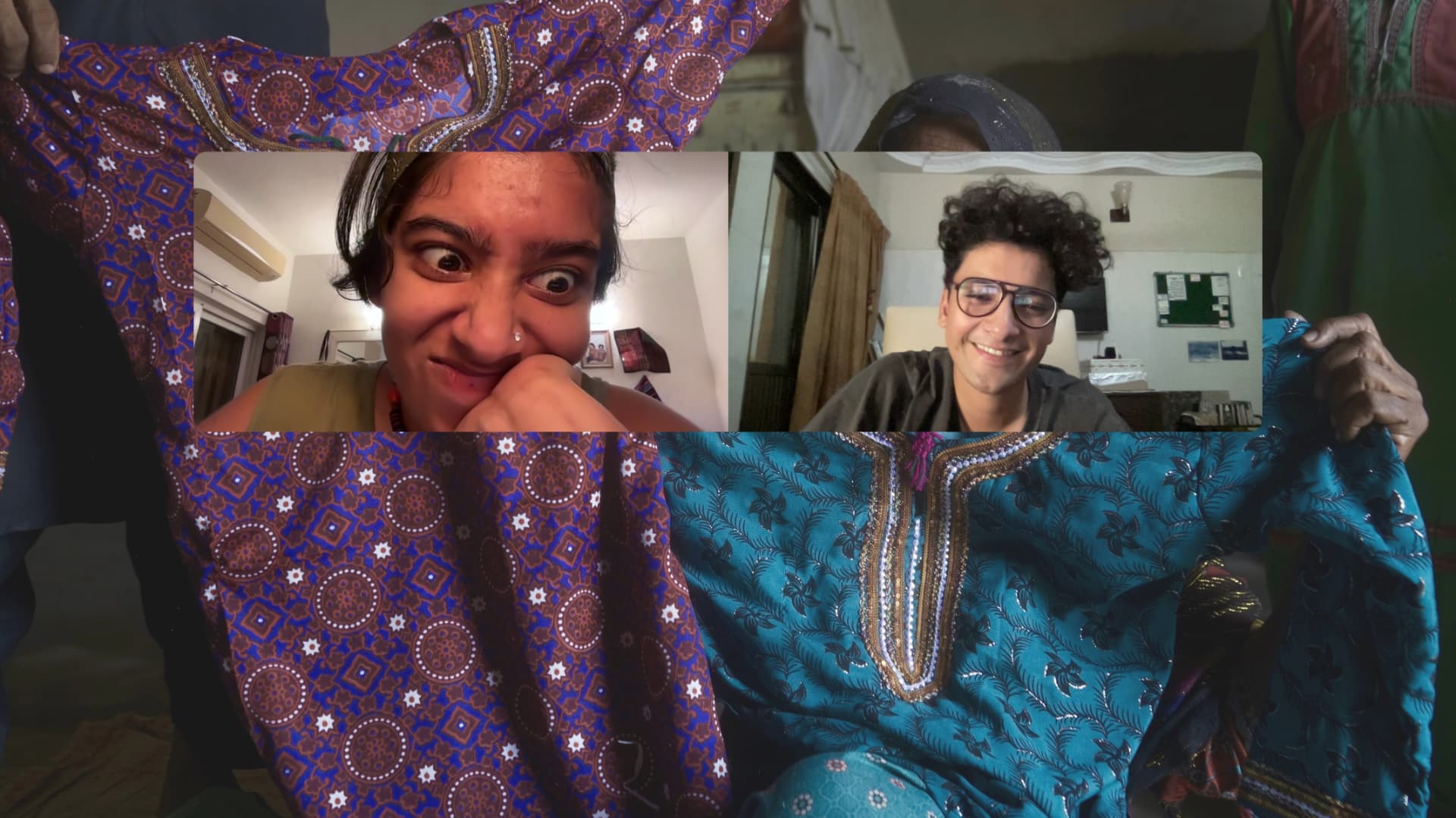
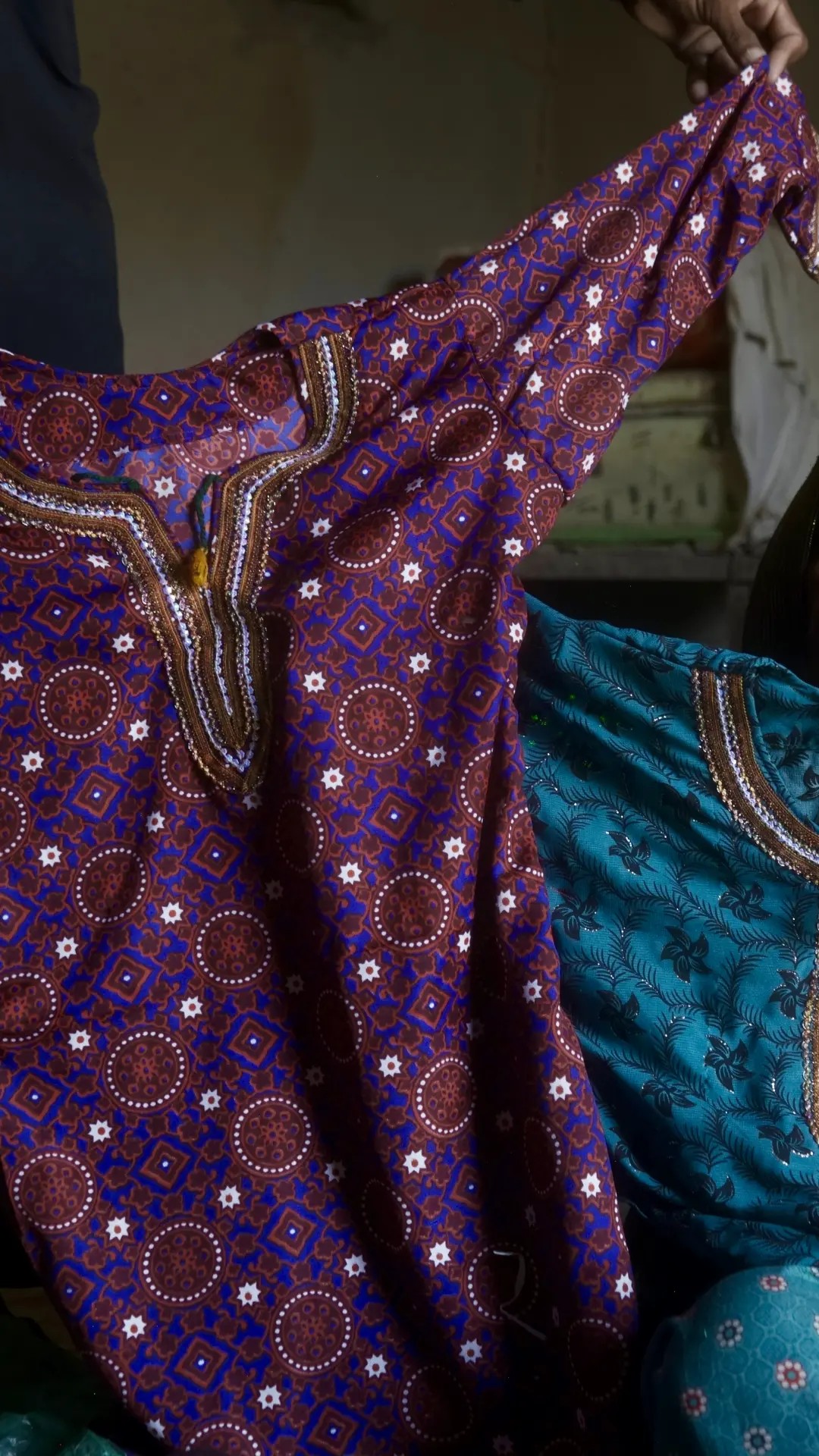
Hands holding up block-printed cloth

About Us

Malika
Malika is building a practice in investigative journalism while documenting grassroots resistance movements in North and Central India
Ibad
Ibad is a filmmaker and researcher from Karachi, Pakistan. He works between fiction and nonfiction, studying bodies of water, displacement and the fragility of borders